
Treatment Basics
Treatment Basics
The Basic Steps From Diagnosis Through Treatment. Not all Treatment courses are the same. They vary based on the type, stage, and / or aggressiveness of your diagnosis. It’s best to discuss your treatment plan with your team of providers to come up with the plan that is best for you.
Types of Breast Cancer
Types of Breast Cancer
Every Diagnosis Is Unique
No two breast cancer diagnoses are exactly alike. Your treatment plan will depend on several factors, including the type of breast cancer, its stage, tumor size, receptor status, genetic testing results, and your overall health.
At Tote-Tally Supported, we believe that knowledge empowers patients and families. Understanding your diagnosis is an important first step toward making informed decisions, asking the right questions, and navigating your breast cancer journey with confidence.
Remember: The information provided on this website is intended for educational purposes and should never replace medical advice from your physician or oncology team. Always discuss your diagnosis and treatment options with your healthcare providers.
Below is an overview of the most common and rare types of breast cancer.
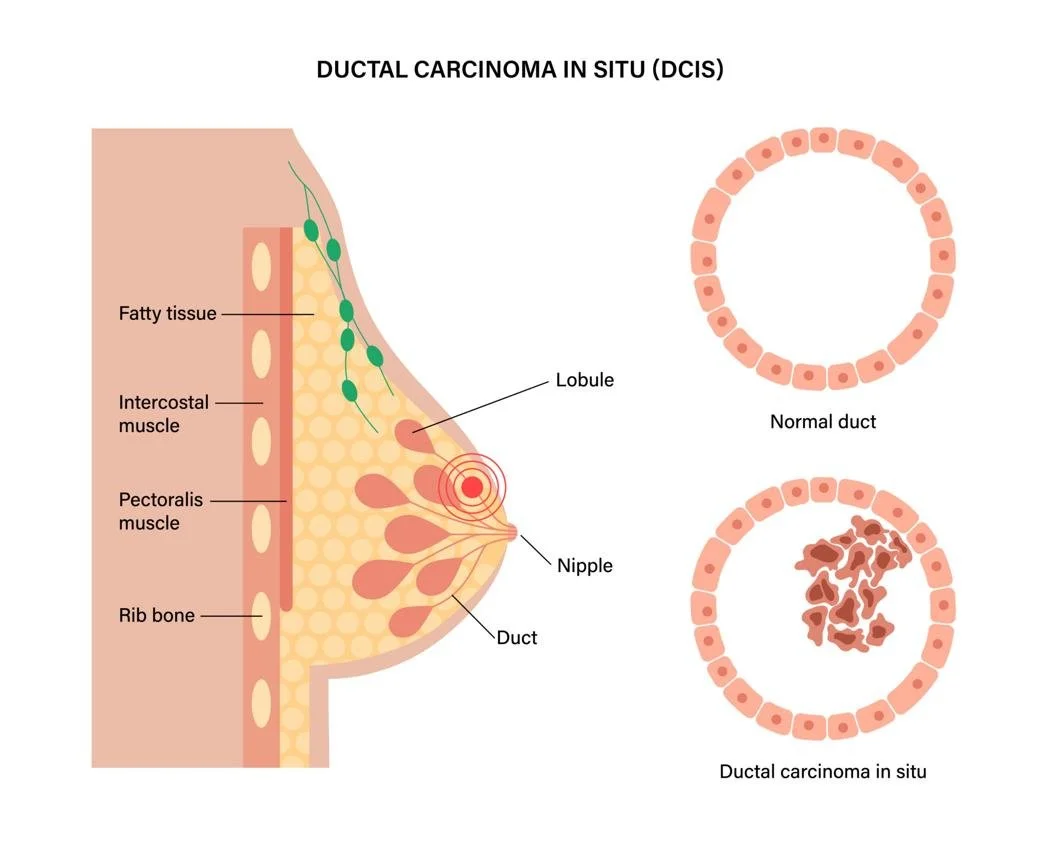
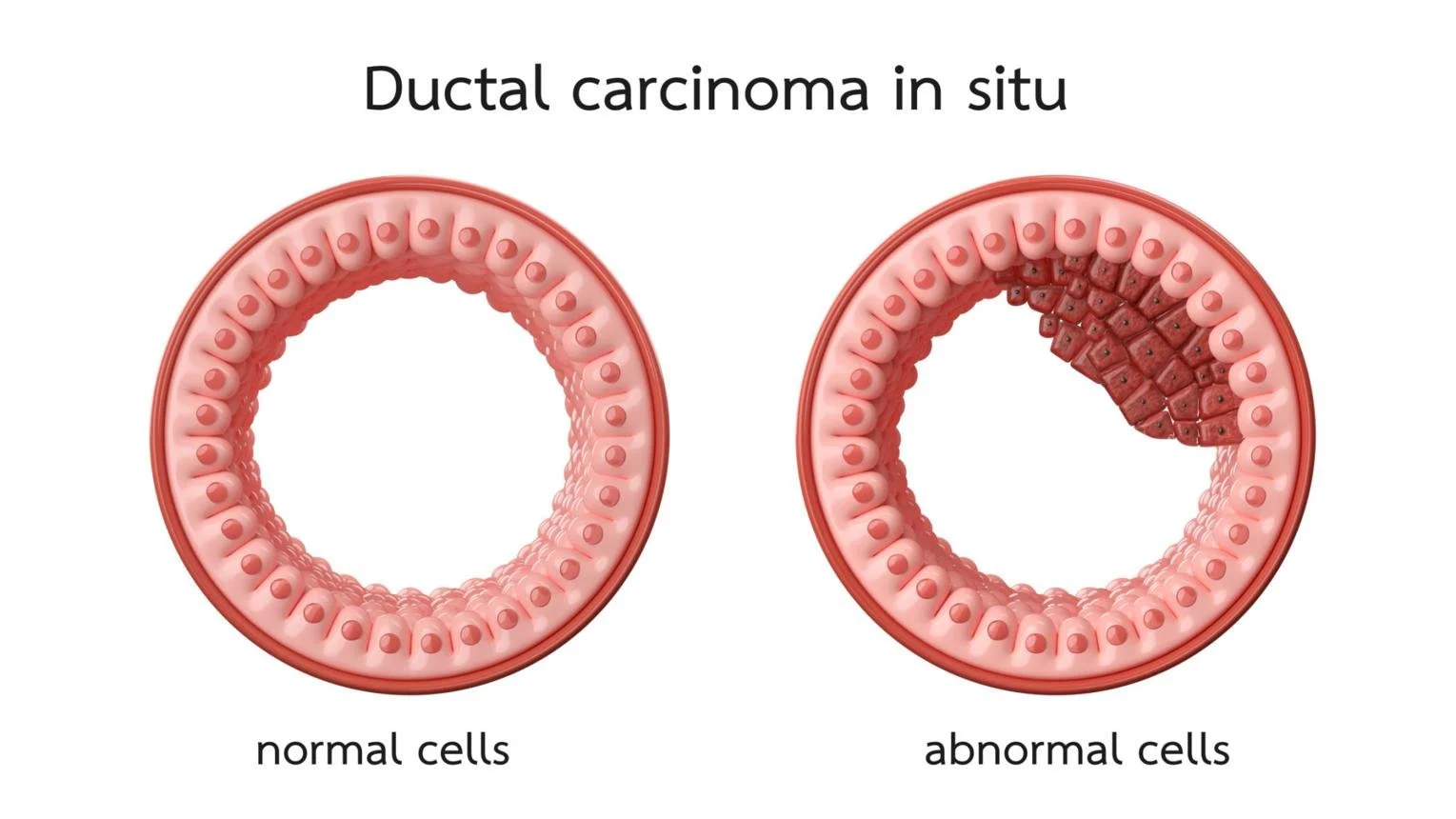
Ductal Carcinoma In Situ (DCIS)
DCIS is a non-invasive form of breast cancer that develops inside the milk ducts and has not spread into nearby breast tissue. Often referred to as Stage 0 breast cancer, it is highly treatable, especially when found early through routine screening.
Invasive Ductal Carcinoma (IDC)
IDC is the most frequently diagnosed type of breast cancer. It begins in the milk ducts before invading surrounding breast tissue. If not treated, it can spread to nearby lymph nodes and other areas of the body.
Invasive Lobular Carcinoma (ILC)
This cancer starts in the milk-producing lobules and spreads into surrounding breast tissue. ILC often grows in a pattern that makes it more difficult to detect on a mammogram and may occur in one or both breasts.
Lobular Carcinoma In Situ (LCIS)
LCIS is not considered breast cancer. Instead, it is a condition in which abnormal cells develop inside the breast lobules. While it does not usually require cancer treatment, it does increase the risk of developing breast cancer later in life.
HER2-Positive Breast Cancer
HER2-positive breast cancer produces excessive amounts of the HER2 protein, causing cancer cells to grow more rapidly. Today, several targeted medications have dramatically improved treatment outcomes for people with this diagnosis.
Triple-Negative Breast Cancer (TNBC)
Triple-negative breast cancer does not contain estrogen receptors, progesterone receptors, or HER2 proteins. Because of this, hormone therapies and HER2-targeted treatments are not effective. Treatment often includes chemotherapy, immunotherapy, or participation in clinical trials.
Triple-Positive Breast Cancer
Triple-positive breast cancer tests positive for estrogen receptors, progesterone receptors, and HER2. Patients with this type often benefit from a combination of hormone therapy and HER2-targeted medications.
Inflammatory Breast Cancer (IBC)
Inflammatory breast cancer is a rare and aggressive disease that often does not form a lump. Instead, symptoms may include redness, swelling, warmth, tenderness, or skin that appears thickened or dimpled. Prompt medical attention is essential because this cancer can progress quickly.
Metastatic Breast Cancer (Stage IV)
Metastatic breast cancer occurs when cancer has spread beyond the breast to other organs such as the bones, liver, lungs, or brain. Although it is not currently curable, advances in treatment allow many people to live meaningful, active lives while managing the disease.
Angiosarcoma of the Breast
Angiosarcoma is an uncommon cancer that develops in the blood vessels or lymph vessels of the breast. Because it is rare and can grow rapidly, treatment is typically provided by specialists experienced in managing uncommon breast cancers.
Phyllodes Tumors
Phyllodes tumors develop in the breast's connective tissue rather than the milk ducts or lobules. Most are noncancerous, but some can become malignant. Surgery is usually recommended to remove the tumor and reduce the chance of recurrence.
Breast Cancer
│
├── Non-Invasive (In Situ)
│ ├── DCIS
│ └── LCIS
│
├── Invasive
│ ├── IDC
│ ├── ILC
│ ├── Inflammatory Breast Cancer
│ ├── Triple-Negative Breast Cancer
│ └── HER2-Positive Breast Cancer
│
├── Rare Types
│ ├── Paget Disease of the Nipple
│ └── Male and Trans Male Breast Cancer
│
└── Advanced Stage
└── Metastatic Breast Cancer (Stage IV)